
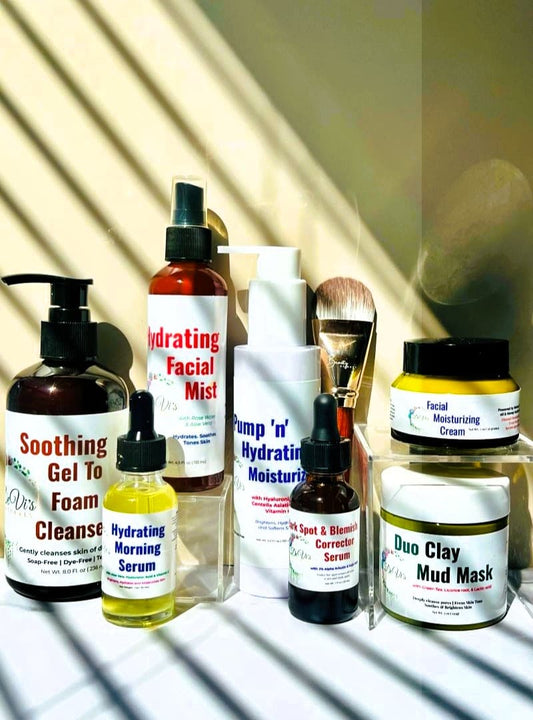
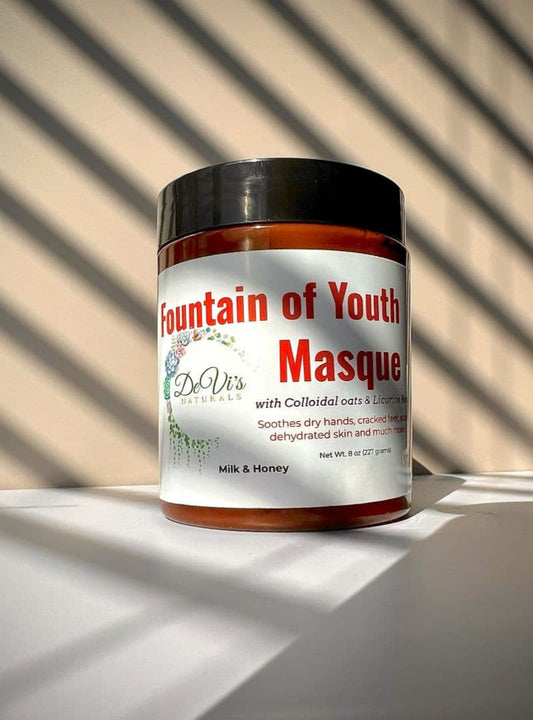
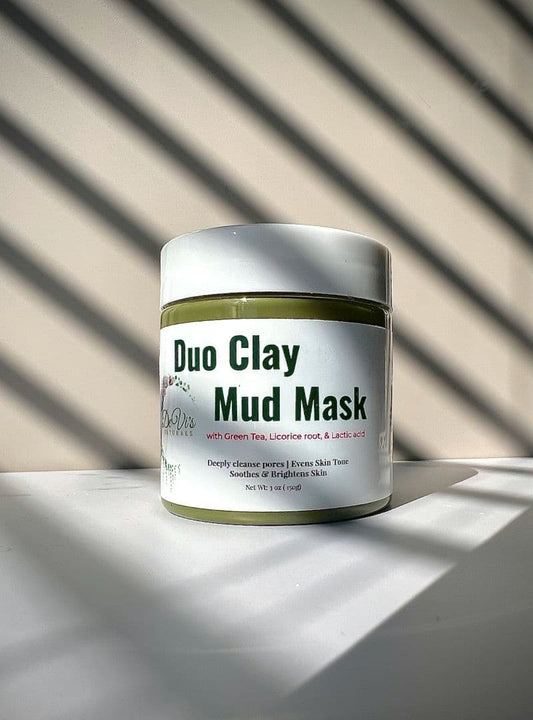

Winter weather can be harsh on the skin. Cold air outside and dry heat indoors pull moisture from your skin, often leaving it tight, flaky, or irritated.
One of the most important things you can do in January is protect and support your skin barrier, the outer layer that keeps moisture in and irritants out.
1. What Is the Skin Barrier?
Your skin barrier acts as a shield. When it’s healthy, your skin stays hydrated, smooth, and resilient. When it’s damaged, moisture escapes and sensitivity increases.
Cold weather is one of the most common causes of barrier disruption.
2. Cleanse Without Stripping
Harsh cleansers remove natural oils that your skin needs for protection. In winter, cleansing should feel soothing never tight or dry.
Choose a gentle cleanser that respects your skin’s natural balance.
3. Moisturize Consistently (Morning & Night)
Moisturizing twice daily is essential during colder months. A nourishing moisturizer helps seal in hydration and strengthens the barrier over time.
Apply to slightly damp skin for best results.
4. Avoid Over-Exfoliating
Exfoliating too often in winter can worsen dryness and irritation. If you exfoliate, keep it minimal and gentle, or pause altogether until your skin feels stronger.
January is about repair, not resurfacing.
5. Support Your Skin From the Inside
Hydration doesn’t stop with skincare. Drinking water, warm teas, and eating nourishing foods supports your skin’s natural repair process.
Barrier health is influenced by both what you apply and how you care for your body.
Final Thoughts
Your skin barrier is your foundation. When it’s supported, your skin feels comfortable, balanced, and radiant even in cold weather.
January is the perfect time to slow down, focus on repair, and give your skin the gentle care it needs to thrive.
